Sunday, January 31, 2010

Assisted One Arm Handstand Pushup


Jim from Beast Skills is training for a one arm handstand pushup. He is almost there.

This is what he says:

In 1954, Roger Bannister was the first man to run a sub-4-minute mile. Within 3 years, 16 other runners had also. The psychological barrier had been broken.

The one arm handstand pushup holds a similar mystique. While some say it is impossible, others are busy training for it.

I've been working my one arm handstand a lot, and my pressing strength is the best it has been. Here now is some work with the assisted one arm handstand pushup. I'll say I prefer the 2-3 finger assist the best.

An outbreak of sense in the mainstream media

I was visiting my parents this weekend and on Saturday I was flicking through their Daily Mail. The self righteous hypocrisy of it usually just annoys me - it preaches old fashioned values while reporting the lurid details of celebrity gossip in a disapproving yet exhaustive way.

Anyway there were two articles which cuaght my eye and gave me hope:

The Big Fat Lies about Britain's obesity epidemic

This is a good essay with three premises:

  • Starch is making you fat
  • There is no evidence that saturated fat is a health problem
  • Exercise for weight loss is overrated.
Good Gary Taubes style stuff. In fact I would not be surprised if the author had based this on Taubes.

The other thing reported was a diet used by Margaret Thatcher to lose 20lb in 2 weeks: basically a low carb diet - meat, leaves and berrys.

The Maggie diet - whisky, spinach and 28 eggs a week

Here is a quote from her archive:
MT in fact discussed the diet in an interview with the Sun on 13 March 1979. At that point she acknowledged weighing 9.5 stone (133 pounds) and was 5'5" tall. The Sun's reporter speculated on the political logic of it all: "After all, if a person can't control her weight, doesn't it occur to everybody that she may not be able to control other, more important things?"

There is a pdf of the diet sheet here.


Anyway, that last quote -

if a person can't control her weight, doesn't it occur to everybody that she may not be able to control other, more important things?

Reminded me of a study I saw last week, which seems to bear the idea out


An Experimental Study of the Role of Weight Bias in Candidate Evaluation

Obese individuals are evaluated negatively and attributed negative trait characteristics in several contexts including employment, health care, and education. The current experimental study of college students examined the effect of body mass on the evaluation of political candidates and examined whether the gender of the candidate moderated the relationship. A series of ordinary least squares regression analyses found an interactive effect between candidate obesity and candidate gender for global evaluation and for several trait characteristics. Specifically, obese female candidates were evaluated more negatively than nonobese female candidates and nonobese male candidates were evaluated more negatively than were obese male candidates. This interaction persisted even after controlling for standard political and demographic characteristics of the evaluator. These findings suggest that weight bias exists for obese female political candidates, but that larger body size may be an asset for male candidates. The ability of candidates to be successful may depend less on their policy positions or even party affiliation and more on their physical attributes than has been previously assumed.


Thatcher was right. She needed to lose weight to be viewed more positively

Friday, January 29, 2010

More on Barefoot Running

Further to the post from a couple of days ago on the latest research - How did we manage to run with no shoes ? - I was reading the excellent Science of Sport blog and they pointed to the page that the researches have set up to promote and give training tips for Running Barefoot or In Minimal Footwear

It is definitely worth reading - go here.

There are a couple of videos there that are worth looking at:

Forefoot Striking Barefoot: Produces Minimal Impact Force with No Impact Transient-


as compared to Heel Strike in Shoes: Produces Significant Impact Transient


There are some good tips for making the shift:

Tips on Transitioning to Forefoot or Midfoot Striking

Forefoot striking barefoot or in minimal footwear requires you to use muscles in your feet (mostly in the arch) that are probably very weak. Running this way also requires much more strength in your calf muscles than heel striking because these muscles must contract eccentrically (while lengthening) to ease the heel onto the ground following the landing. Novice forefoot and midfoot strikers typically experience tired feet, and very stiff, sore calf muscles. In addition, the Achilles tendon often gets very stiff. This is normal and eventually goes away, but you can do several things to make the transition successfully:

  • Build up slowly! If you vigorously work out any weak muscles in your body, they will be sore and stiff. Your foot and calf muscles will be no exception. So please, don’t overdo it because you will probably injure yourself if you do too much too soon.
  • Start by walking around barefoot frequently.
  • First week: no more than a quarter mile to one mile every other day.
  • Increase your distance by no more than 10% per week. This is not a hard and fast rule, but a general guide. If your muscles remain sore, do not increase your training. Take an extra day off or maintain your distance for another week.
  • Stop and let your body heal if you experience pain. Sore, tired muscles are normal, but bone, joint, or soft-tissue pain is a signal of injury.
  • Be patient and build gradually. It takes months to make the transition.
  • If you are currently running a lot, you don’t need to drastically reduce your mileage. Instead, supplement forefoot or midfoot striking with running the way that you normally ran before beginning the transition. Over the course of several months, gradually increase the proportion of forefoot or midfoot striking and reduce the proportion of running in your old style. Use the same 10% per week guideline in increasing the amount of running you do forefoot striking.
  • It is essential to stretch your calves and hamstrings carefully and regularly as you make the transition. Massage your calf muscles and arches frequently to break down scar tissue. This will help your muscles to heal and get stronger.
  • Listen to your feet. Stop if your arches are hurting, if the top of your foot is hurting, or if anything else hurts! Sometimes arch and foot pain occurs from landing with your feet too far forward relative to your hips and having to point your toes too much. It can also occur from landing with too rigid a foot and not letting your heel drop gently.
  • Many people who run very slowly find that forefoot striking actually makes them run a little faster.

Recap

  • Land gently on your forefoot and gradually let the heel come down
  • Transition slowly
  • Stretch your calves and Achilles tendon
  • Don’t do anything that causes pain
  • Listen to your body and run totally barefoot to learn good form
  • Buy minimal shoes that lack high heels and stiff soles
  • Consult a doctor

your most recent workout is the most important....and stay low carb

Now this one is interesting.... lots of implications

The abstract is below but some comment first (informed from this and this)


the study found that exercise enhanced insulin sensitivity, particularly when meals eaten after the exercise session contained relatively low carbohydrate content. Enhanced insulin sensitivity means that it is easier for the body to take up sugar from the blood stream into tissues like muscles, where it can be stored or used as fuel. Impaired insulin sensitivity (i.e., "insulin resistance") is a hallmark of Type II diabetes, as well as being a major risk factor for other chronic diseases, such as heart disease.

Interestingly, when the research subjects in this study ate relatively low-calorie meals after exercise, this did not improve insulin sensitivity any more than when they ate enough calories to match what they expended during exercise. This suggests that you don't have to starve yourself after exercise to still reap some of the important health benefits.

Insulin Sensitivity is of course a "good thing" - it means you need less of it for it to have an effect. An excellent primer on insulin matters is here.

What I found interesting were these comments:

This study follows up on several previous studies that demonstrate that many health benefits of exercise are transient: one exercise session produces benefits to the body that taper off, generally within hours or a few days.

"Many of the improvements in metabolic health associated with exercise stem largely from the most recent session of exercise, rather than from an increase in 'fitness' per se," Dr. Horowitz said.

What do we make of this?

  • The importance of consistency - regular training, might not make you "fitter" but each session is important.
  • Every workout is important - we tend to think of junk sessions, but every one matters
  • Exercise and nutrition go together - what you eat limits the effects of how you train.
  • It is still all about hormones
  • what type of workouts have the best effects - endurance, resistance, HIIT?


Energy deficit after exercise augments lipid mobilization but does not contribute to the exercise-induced increase in insulin sensitivity.

The content of meals consumed after exercise can impact metabolic responses for hours and even days after the exercise session. The purpose of this study was to compare the effect of low dietary carbohydrate (CHO) vs. low energy intake in meals after exercise on insulin sensitivity and lipid metabolism the next day. Nine healthy men participated in 4 randomized trials. During the control trial (CON) subjects remained sedentary. During the other 3 trials, subjects exercised (65%VO2peak; cycle ergometer and treadmill exercise) until they expended ~800 kcal. Dietary intake during CON and one exercise trial (BAL) was designed to provide sufficient energy and carbohydrate to maintain nutrient balance. In contrast, the diets after the other 2 exercise trials were low in either CHO (LOW-CHO) or energy (LOW-EN). The morning after exercise we obtained a muscle biopsy, assessed insulin sensitivity (Si; IVGTT) and measured lipid kinetics (isotope tracers). Although subjects were in energy balance during both LOW-CHO and CON, the lower muscle glycogen concentration during LOW-CHO vs. CON (402+/-29 vs. 540+/-33 mmol/kg dw, P<0.01) coincided with a significant increase in Si (5.2+/-0.7 vs. 3.8+/-0.7 (mU/L)(-1)(.)min(-1); P<0.05). Conversely, despite ingesting several hundred fewer kcals after exercise during LOW-EN compared with BAL, this energy deficit did not affect Si the next day (4.9+/-0.9, and 5.0+/-0.8 (mU/L)(-1)(.)min(-1)). Maintaining an energy deficit after exercise had the most potent effect on lipid metabolism, as measured by a higher plasma triacylglycerol concentration, and increased plasma fatty acid mobilization and oxidation compared with when in nutrient balance. Carbohydrate deficit after exercise, but not energy deficit, contributed to the insulin sensitizing effects of acute aerobic exercise. Whereas maintaining an energy deficit after exercise augmented lipid mobilization.

Wednesday, January 27, 2010

Obesity and Madness

I can't resist this one. Obese people are more likely to be mental?

Cancer and carbs

I've had stuff up here before on treating cancer with low carb diets - like this.

Here us a new study that looks a bit more deeply at the whole area. Much of it is beyond me, but there is some interesting stuff there.

Emerging evidence indicates that impaired cellular energy metabolism is the defining characteristic of nearly all cancers regardless of cellular or tissue origin. In contrast to normal cells, which derive most of their usable energy from oxidative phosphorylation, most cancer cells become heavily dependent on substrate level phosphorylation to meet energy demands. Evidence is reviewed supporting a general hypothesis that genomic instability and essentially all hallmarks of cancer, including aerobic glycolysis (Warburg effect), can be linked to impaired mitochondrial function and energy metabolism. A view of cancer as primarily a metabolic disease will impact approaches to cancer management and prevention.
The whole paper is available as pdf

Less sleep less brain?

I haven't had much about sleep recently but be assured that sufficient sleep is vital (see here)

Anyway just a quick one: Less sleep less brain

"We show, for the first time, that insomnia patients have lower grey matter density in brain regions involved in the evaluation of the pleasantness of stimuli, as well as in regions related to the brain's 'resting state'. The more severe the sleeping problems of insomniacs, the less grey matter density they have in the region involved in pleasantness evaluation, which may also be important for the recognition of optimal comfort to fall asleep," explained Altena. She added, "Our group previously showed that insomniacs have difficulties with recognizing optimal comfort. These findings urge further investigation into the definition of subtypes of insomnia and their causal factors, for which we have now initiated the Netherlands Sleep Registry."

You lose brain when you lose sleep!

Here is the abstract

Reduced Orbitofrontal and Parietal Gray Matter in Chronic Insomnia: A Voxel-Based Morphometric Study

Background
Brain mechanisms of chronic insomnia, a highly prevalent condition, have barely been investigated. We demonstrate here a decrease in orbitofrontal gray matter (GM) volume that strongly correlates with the severity of complaints.
Methods
In a case-control study, optimized voxel-based morphometry was used to compare the regional brain volumes of 24 medication-free chronic primary insomnia patients (age range 52–74 years, 17 women), carefully selected to exclude psychiatric comorbidity, with those of 13 matched control subjects without sleep problems (age range 50–76 years, 9 women). Additionally, the correlation of regional volumes with insomnia severity was investigated.
Results
Patients had a smaller volume of GM in the left orbitofrontal cortex, strongly correlating (r = −.71) with the subjective severity of insomnia. Furthermore, reduced GM volume was found in the anterior and posterior precuneus. Patients did not show increased GM volume in any area. No group differences were found for white matter volume.
Conclusions
This is the first voxel-based morphometry study showing structural brain correlates of insomnia and their relation with insomnia severity. Functional roles of the affected areas in decision-making and stimulus processing might better guide future research into the poorly understood condition of insomnia.

How did we manage to run with no shoes?


Here is another one to think about in the "barefoot is best" category.

Scientists have found that those who run barefoot, or in minimal footwear, tend to avoid "heel-striking," and instead land on the ball of the foot or the middle of the foot. In so doing, these runners use the architecture of the foot and leg and some clever Newtonian physics to avoid hurtful and potentially damaging impacts, equivalent to two to three times body weight, that shod heel-strikers repeatedly experience.
Read more here (or in the LA Times here)

"Our hope is that an evolutionary medicine approach to running and sports injury can help people run better for longer and feel better while they do it," says Lieberman, who has created a web site, www.barefootrunning.fas.harvard.edu, to educate runners about the respective merits of shod and barefoot running."

Here is the summary in Nature:

Humans have engaged in endurance running for millions of years1, but the modern running shoe was not invented until the 1970s. For most of human evolutionary history, runners were either barefoot or wore minimal footwear such as sandals or moccasins with smaller heels and little cushioning relative to modern running shoes. We wondered how runners coped with the impact caused by the foot colliding with the ground before the invention of the modern shoe. Here we show that habitually barefoot endurance runners often land on the fore-foot (fore-foot strike) before bringing down the heel, but they sometimes land with a flat foot (mid-foot strike) or, less often, on the heel (rear-foot strike). In contrast, habitually shod runners mostly rear-foot strike, facilitated by the elevated and cushioned heel of the modern running shoe. Kinematic and kinetic analyses show that even on hard surfaces, barefoot runners who fore-foot strike generate smaller collision forces than shod rear-foot strikers. This difference results primarily from a more plantarflexed foot at landing and more ankle compliance during impact, decreasing the effective mass of the body that collides with the ground. Fore-foot- and mid-foot-strike gaits were probably more common when humans ran barefoot or in minimal shoes, and may protect the feet and lower limbs from some of the impact-related injuries now experienced by a high percentage of runners.

Interestingly, the Open Water Chicago blog - a great read - commented on the story too and while agreeing with the barefoot bit, thinks that the case is not made for endurance running. Interesting in the light of this morning's post.

Tuesday, January 26, 2010

Marathons make your muscles old

This is - or should be somewhat disturbing.

Shorter telomere length is proposed as a marker for biological aging. They are also associated with more cancers.

Again a danger to chronic cardio


Skeletal muscle telomere length in healthy, experienced, endurance runners

Abstract

Measuring the DNA telomere length of skeletal muscle in experienced endurance runners may contribute to our understanding of the effects of chronic exposure to endurance exercise on skeletal muscle. This study compared the minimum terminal restriction fragment (TRF) length in the vastus lateralis muscle of 18 experienced endurance runners (mean age: 42 ± 7 years) to those of 19 sedentary individuals (mean age: 39 ± 10 years). The runners had covered almost 50,000 km in training and racing over 15 years. Minimum TRF lengths measured in the muscle of both groups were similar (P = 0.805) and within the normal range. Minimum TRF length in the runners, however, was inversely related to their years spent running (r = −0.63, P = 0.007) and hours spent training (r = −0.52, P = 0.035). Therefore, since exposure to endurance running may influence minimum TRF length, and by implication, the proliferative potential of the satellite cells, chronic endurance running may be seen as a stressor to skeletal muscle.

Methode Naturelle Disciple

I came across an interesting blog today: Methode Naturelle Disciple

I've referred to Methode Naturelle before, an approach to fitness and physical cutlure that fits in well with the primal / evolutionary fitness approach. Erwan Le Corre - who I interviewed a year ago here - has been updating the approach recently to creat MovNat.

(Incidentally Keith has some interesting thoughts on Erwan here -
Probably an ideal body shape for an adult male in his 30s is shown in this YouTube video. We know it's ideal because of what the body is being used for - with power, poise, athleticism and novelty. Only a perfect body could perform the way Erwan Le Corre demonstrates in this video. In doing so he also sets up the criteria for judging what a perfect male body should be able to do (not only what it looks like). Form will follow function. Some will run marathons and therefore have a correspondingly different body shape; others will be more heavily muscled through heavy weight training. But humans in the Palaeolithic would not have run marathons or engaged in heavy weight training.)


Anyway, the new blog is by Kevin Coffin who is using it to gather information about Methode Naturelle and to record his own training and thoughts.

He has a really good post on Workout Structure which explains a little what an MN workout looks like. Erwan is a great thinker and inspirational guy, but he never really explains, in the material I've seen at least, how a workout is constructed.

Kevin identifies 7 series of exercises then explains what he does:

There is no set number of reps for any of the workouts. Just move on to the next exercise whenever you are starting to get fatigued. Don’t ever overdo it. This isn’t about being macho and competitive, its about practicing skills. Concentrate on correct form. Try to think of ways to use your body smarter, to accomplish the exercises with less and less effort. For instance, when climbing, practice the different ways of using your body momentum to aid you in your quest for height so that you are less tired when you get to the top. In everything, avoid injury; remember that avoiding injury becomes increasingly difficult if you are too over-fatigued.

I use this method every workday at lunch, for 30 to 60 minutes. There’s a dry riverbed near my office complex that I run down to, it has boulders and trees and sand for crawling. Saturdays are my “fun” day where I either get up in the morning and go for a free exploration run, without structure, or I do some sort of sport or hiking with my family.


It is a helpful post. Check it out.

Monday, January 25, 2010

Low-Carb Diet Edges Low Fat Plus Weight-Loss Drug

Just spotted this:

A Randomized Trial of a Low-Carbohydrate Diet vs Orlistat Plus a Low-Fat Diet for Weight Loss

Background Two potent weight loss therapies, a low-carbohydrate, ketogenic diet (LCKD) and orlistat therapy combined with a low-fat diet (O + LFD), are available to the public but, to our knowledge, have never been compared.

Methods Overweight or obese outpatients (n = 146) from the Department of Veterans Affairs primary care clinics in Durham, North Carolina, were randomized to either LCKD instruction (initially, <20 g of carbohydrate daily) or orlistat therapy, 120 mg orally 3 times daily, plus low-fat diet instruction (<30% energy from fat, 500-1000 kcal/d deficit) delivered at group meetings over 48 weeks. Main outcome measures were body weight, blood pressure, fasting serum lipid, and glycemic parameters.

Results The mean age was 52 years and mean body mass index was 39.3 (calculated as weight in kilograms divided by height in meters squared); 72% were men, 55% were black, and 32% had type 2 diabetes mellitus. Of the study participants, 57 of the LCKD group (79%) and 65 of the O + LFD group (88%) completed measurements at 48 weeks. Weight loss was similar for the LCKD (expected mean change, –9.5%) and the O + LFD (–8.5%) (P = .60 for comparison) groups. The LCKD had a more beneficial impact than O + LFD on systolic (–5.9 vs 1.5 mm Hg) and diastolic (–4.5 vs 0.4 mm Hg) blood pressures (P < .001 for both comparisons). High-density lipoprotein cholesterol and triglyceride levels improved similarly within both groups. Low-density lipoprotein cholesterol levels improved within the O + LFD group only, whereas glucose, insulin, and hemoglobin A1c levels improved within the LCKD group only; comparisons between groups, however, were not statistically significant.

Conclusion In a sample of medical outpatients, an LCKD led to similar improvements as O + LFD for weight, serum lipid, and glycemic parameters and was more effective for lowering blood pressure.


Here is some commentary on the study:

Weight loss was the same and blood pressure control was more effective with a low-carbohydrate diet than a low-fat regimen supplemented by the diet drug orlistat (Xenical, Alli), a randomized trial found.

Among 146 overweight or obese outpatients, both treatment plans led to weight loss of about 10% after 48 weeks, with similar improvements in glycemic and blood lipid measures, according to William S. Yancy Jr., MD, MHS, of Duke University, and colleagues.

But mean systolic and diastolic blood pressure declined by 5.9 and 4.5 mm Hg, respectively, in the low-carb diet compared with a slight increase in patients on the low-fat diet plus orlistat, the researchers reported in the Jan. 25 issue of Archives of Internal Medicine.

Some Homework

Here is some homework for you.

One of the best sites on the internet for those interested in Evolutionary fitness is Keith Thomas' Evfit.com

I have an interview coming up with Keith.

Do some preparation: go over to his site and get familiar with his material


This is a typically instructive and challenging page from Keith: Keith's food intake in 2008

Stone Age Power

Anyone with an interest in Paleo Diet and Exercise should do themselves a favour and download Matt Metzgar's book Stone Age Power

Matt has been writing and researching evolutionary fitness for years and is an original thinker who looks deeply into a lot of different subjects. While the book was first written in 2002 it has stood the test of time. A lot of people have come to the paleo approach quite recently but much wisdom is already out there and needs to be thought through.

Matt reminds me a lot of Tamir Katz in his approach and integrity.

Sunday, January 24, 2010

Warm up

I've talked about joint mobility before. Most recently I have referred to the z health seminar I went to with mc.

Here is another approach


from Dutch Lowry

It would be an exercise session in itself for many

Sitting & Watching TV Can Kill You

This has been getting some attention the last week.

Sitting down for too long 'causes health problems - even if you exercise' (Telegraph)

Recent research suggests that inactivity increases the chances of developing diabetes and heart disease, independently of how often someone works out.

One study found that that the chance of developing metabolic syndrome, a condition which can lead to diabetes, rose by 26 per cent for every extra hour a woman spent watching television, no matter how much exercise she took.

Here is the review and more comment from Yahoo

While health officials have issued guidelines recommending minimum amounts of physical activity, they haven't suggested people try to limit how much time they spend in a seated position.

"After four hours of sitting, the body starts to send harmful signals," Ekblom-Bak said. She explained that genes regulating the amount of glucose and fat in the body start to shut down.
Even for people who exercise, spending long stretches of time sitting at a desk is still harmful. Tim Armstrong, a physical activity expert at the World Health Organization, said people who exercise every day — but still spend a lot of time sitting — might get more benefit if that exercise were spread across the day, rather than in a single bout.

Last year I pointed to a similar study. This was the conclusion:

These data demonstrate a dose-response association between sitting time and mortality from all causes and CVD, independent of leisure time physical activity. In addition to the promotion of moderate-to-vigorous physical activity and a healthy weight, physicians should discourage sitting for extended periods


I don't think it is just the sitting. TV is a problem in itself. Interestingly I have just been reading a book - reviewed here - about television and its dangers. One of the things it notes is the physiological damage TV can do:

Among many physiological systems, Sigman looks closely at the endocrine system and at how television distorts the natural occurrence of dopamine, growth hormone, ghrelin, cortisol, adrenaline, oxytocin, melatonin, leptin and prolactin. He shows how television may stimulate particular hormones which, in turn, cause early onset of puberty.
The light, the excitement, the emotions have hormonal effects.

OK some humour, The Youngs Turks have a chat about it:


or in the extreme, sitting is really dangerous.

Saturday, January 23, 2010

Paleo for bodybuilding

I was thinking more about the natural bodybuilding video I posted here.

Keith commented on a later post and it got me thinking that his physique is actually the match of many of those natural bodybuilders. He isn't training for appearance but for health and performance. He eats a paleo diet and does intermittent fasting. His excellent physique is a by-product of his training, a consequence but not necessarily the ultimate goal.

Here are some videos of Keith to show what I mean


Friends of Butter

I know this is ultimately advertising a certain brand of butter but whatever I am still a friend of butter.

More on Brain Health


Further to the Spark posts a few days ago, here is another study that exercise promotes brain health. This time it is not in mice (like this one was) but humans.

Implication that training promotes brain health and could treat depression. Shame they didn't test resistance training.

Endurance training enhances BDNF release from the human brain

The circulating level of brain-derived neurotrophic factor (BDNF) is reduced in patients with major depression and type-2 diabetes. Because acute exercise increases BDNF production in the hippocampus and cerebral cortex, we hypothesized that endurance training would enhance the release of BDNF from the human brain as detected from arterial and internal jugular venous blood samples. In a randomized controlled study, 12 healthy sedentary males carried out 3 mo of endurance training (n = 7) or served as controls (n = 5). Before and after the intervention, blood samples were obtained at rest and during exercise. At baseline, the training group (58 ± 106 ng·100 g–1·min–1, means ± SD) and the control group (12 ± 17 ng·100 g–1·min–1) had a similar release of BDNF from the brain at rest. Three months of endurance training enhanced the resting release of BDNF to 206 ± 108 ng·100 g–1·min–1 (P < 0.05), with no significant change in the control subjects, but there was no training-induced increase in the release of BDNF during exercise. Additionally, eight mice completed a 5-wk treadmill running training protocol that increased the BDNF mRNA expression in the hippocampus (4.5 ± 1.6 vs. 1.4 ± 1.1 mRNA/ssDNA; P < 0.05), but not in the cerebral cortex (4.0 ± 1.4 vs. 4.6 ± 1.4 mRNA/ssDNA) compared with untrained mice. The increased BDNF expression in the hippocampus and the enhanced release of BDNF from the human brain following training suggest that endurance training promotes brain health.

Training for Appearance - Visual Impact

While we are on the subject of bodybuilding I thought I'd point you to a new book from Rusty of Fitness Blackbook. (Rusty was one of the top fitness bloggers mentioned in the popular blog Zen Habits recently and he referred to this blog as one of his sources of information and inspiration which was very nice of him. This is returning the favour!)

He has called the book Visual Impact . I have a copy and it is a good read and good value compared to some of the other stuff out there. The focus is very much on appearance - not the primal / evolutionary stuff I often feature. More of a "how to look like the guy off the front of Mens Fitness" and there are some interesting tips on diet to tweak appearance that I might try one day.

The style is a lot like Rusty's excellent FREE report - The Vacation Body Blueprint - that I mentioned before.

One of the things Rusty majors on in the book is the idea of avoiding building massive legs. After a basic level of development he would prefer you to focus on sprinting for legs with some deadlifts thrown in on occaision. His view is that massive legs are often unattractive and inconvenient.

I was thinking about this in the context of the video that I posted. While I think Rusty is right I wonder how much of the over the top leg development he refers to is actually due to drugs. Lots of the naturals in the video have normal athletic legs.

Natural bodybuilding

hat tip.

My interest in bodybuilding dwindled when I realised the influence of steroids. I saw friends grow massive on gear and I just stayed the same as a disillusioned natural! My story is similar to this one.

What is instructive in this video is how "normal" a lot of these guys look. They look good, athletic but not huge.

Don't Ban Butter - facebook group


After the stories this week on butter I set up a facebook group:

Do not ban butter - it is a healthy fat!

Feel free to join - I had this dream of a mass movement - like the one that got Rage Against The Machine to number one - with rational people across the internet banding together in the defence of butter.....

Anyway, enough day dreaming. Join if you like. There are some interesting links posted to information about the healthiness of butter and saturated fat in general, e.g. the Weston Price Foundation leaflet - Butter is Better.

To burn fat don't eat carbs before exercise - fast instead

Pasta.....maybe not! Actually it may be better to go into exercise fasted, if you are trying to burn fat (technical term = lipolysis).

Here is a study out today, which indicates that is you want to burn fat you should be going into exercise fasted or at least do not eat carbs within 2 hours. Sounds like another one for intermittent fasting enthusiasts.

We have said all this before of course. If you were taking a primal / evolutionary fitness perspective on all this you would be likely to be exercising when fasted anyway, if that exercise is the effort involved in a hunt for food. Lots of people out there are exercising fasted now as described here.

Effect of Carbohydrate- and Protein-rich Meals on Exercise-induced Activation of Lipolysis in Obese Subjects.

Exercise is an important part of obesity treatment concepts to support fat mobilisation from adipose tissue and also fat oxidation nolich is impaired in obese subjects. In normal weight subjects it is well known that stimulation of plasma insulin levels by a carbohydrate meal can inhibit lipolysis and subsequent fat oxidation. Since obese subjects frequently have elevated basal and postprandial insulin levels the effect of carbohydrate- and protein-rich test meals on exercise-induced activation of lipolysis is of special interest. Twenty obese subjects performed bicycle exercise for 30 min in the fasted state, 30 min after a carbohydrate-or a protein-rich meal, and 120 min after the carbohydrate meal (n=12), respectively, at low intensity. Activation of lipolysis was assessed by plasma glycerol levels. In addition, plasma insulin, glucose, and lactate concentrations were determined. In comparison to the fasted state, the carbohydrate meal suppressed activation of lipolysis. Following the protein meal, exercise led to an attenuated but significant increase of glycerol levels. A similar rise was observed when the carbohydrate meal was ingested 2 h prior to the exercise bout. To improve exercise-induced lipolysis and subsequent fat oxidation during low-intensity exercise obese subjects should not ingest carbohydrates immediately before exercise. Hunger sensations should be satisfied with protein-rich food. When carbohydrates are consumed 2 h prior to exercise its lipolytic effect is comparable to the protein meal. These data are useful in every day dietary counselling and might help to improve weight loss during obesity treatment.

Friday, January 22, 2010

How fast can you go?


Bolt in winning that went at about 28mph.

A new study says that theoretically humans could go at 40mph!

Human Running Speeds of 35 to 40 Mph May Be Biologically Possible

The researchers said the new work shows that running speed limits are set by the contractile speed limits of the muscle fibers themselves, with fiber contractile speeds setting the limit on how quickly the runner's limb can apply force to the running surface.
"Our simple projections indicate that muscle contractile speeds that would allow for maximal or near-maximal forces would permit running speeds of 35 to 40 miles per hour and conceivably faster," Bundle said.


Here is the abstract:

The biological limits to running speed are imposed from the ground up

Running speed is limited by a mechanical interaction between the stance and swing phases of the stride. Here, we tested whether stance phase limitations are imposed by ground force maximums or foot-ground contact time minimums. We selected one-legged hopping and backward running as experimental contrasts to forward running, and had seven athletic subjects complete progressive discontinuous treadmill tests to failure to determine their top speeds in each of the three gaits. Vertical ground reaction forces (in body weights; Wb) and periods of ground force application (Tc; s) were measured using a custom, high-speed force treadmill. At top speed, we found that both the stance-averaged (Favg) and peak (Fpeak) vertical forces applied to the treadmill surface during one-legged hopping exceeded those applied during forward running by more than one-half of the body's weight [Favg = 2.71 ± 0.15 vs. 2.08 ± 0.07 Wb; Fpeak = 4.20 ± 0.24 vs. 3.62 ± 0.24 Wb±sem] and that hopping periods of force application were significantly longer [Tc = 0.160 ± 0.006 vs. 0.108 ± 0.004 s]. Next, we found that the periods of ground force application at top backward and forward running speeds were nearly identical, agreeing to within an average of 0.006 s [Tc = 0.116 ± 0.004 s vs. 0.110 ± 0.005 s]. We conclude that the stance phase limit to running speed is imposed, not by the maximum forces that the limbs can apply to the ground, but rather by the minimum time needed to apply the large, mass-specific forces necessary.

Thursday, January 21, 2010

Good Grief.....you are not fat enough?!


Obese patients 'encouraged to put on weight to qualify for surgery'

This is sick. Why the heck is the NHS spending money on this anyway? I know the arguments that it is not their fault (they are victims) and that obesity causes lots of healthy problems (e.g. cancer) but surely there is no need to operate?

Wednesday, January 20, 2010

Butter revolutionary - direct action!

This guy is a hero. I mentioned the nutty doctor who wants to Ban Butter!

This fellow took some direct action! Read the whole story

Dr. Shyan Kolvekar was reported widely calling to ban butter and Britain’s Food Standards Agency is conducting a campaign against saturated fats, even though the evidence shows that the artificial fats in margarine and vegetable oils cause heart disease, in partnership with refined sugar and white flour, which confuse the liver into producing harmful fats.

So I decided to confront the bureaucrats directly and hand out Butter is Better flyers to the hospital where Dr. Kolvekar works. The printers seem to have supported me, because I asked for 300 flyers, and they printed well over 1000. The stack was 4 inches at least and it took me 14 hours to get rid of them. I left the hospital after they issued me a retraction, distancing themselves from his comments and I then moved onto the Food Standards Agency, blitzing them with hundreds of flyers for seven whole hours.
Finally the hospital said this ban the butter lunacy was nothing to do with them!

kids who walk or cycle to school are fitter


At one level this one comes under the heading of "obvious"!

On another level it is worth reminding the world that everyday exercise - walking, cycling etc - has a substantial effect.

Many people would do well simply to walk more like Nassim. We are meant to walk. As Kurt says:

7) Walking is an excellent evolutionary activity that we are, simply, evolved to do and doing it is nothing but good. I agree with Sisson on this - lots of low intensity rythmic activity can be good.


Anyway here is the study abstract

Aerobic fitness and mode of travel to school in english schoolchildren.

CONCLUSIONS:: These data confirm findings from countries where cycling is very common in showing that cycling to school is positively associated with aerobic fitness. This study adds to the existing literature by showing that walkers and cyclists are more likely to be classified as fit using recognized cut points. Those who walk and cycle to school may, therefore, be at reduced risk for developing chronic diseases in adulthood.

Exercise reduces the damage done by a stroke?

Maybe. It is one more reason to train anyway.

My Dad has had a series of strokes recently and so I am interested in anything that might limit damage.

Exercise Preconditioning Reduces Neuronal Apoptosis in Stroke by Up-regulating HSP-70 (HSP-72) and ERK 1/2.

Exercise preconditioning induces neuroprotection after stroke......Our results indicate that exercise diminishes neuronal injury in stroke by up-regulating HSP-70 and ERK 1/2.

Fasting, a low carb diet and exercise benefit the immune system?

Wow this is interesting:

a natural immune defence system is linked directly to the metabolic status via the insulin signalling pathway.

....in the case of a low insulin level the FOXO transcription factor is activated.

.... FOXO switches genes for immune defence proteins on when energy is needed. These antimicrobial peptides (AMP) - not to be confused with antibodies – are subsequently jettisoned by the body's cells. They destroy possible pathogens by dissolving their cell walls.

'This hap
pens every minute every day,' the director of studies Prof. Michael Hoch ......explains. 'What is fascinating about this is that a function of the immune system directly depends on how much and what we eat.'

In situations of hunger which mean stress for the body cells, the body releases antimicrobial peptides as a precaution in order to protect itself.

'The barrier between body and outside world is apparently fortified in a potentially dangerous situation in which we
have too little energy,' Professor Hoch presumes.

So there are benefits to your immune system from keepign your insulin levels low. It sounds like a prescription for a low carb / paleo diet and intermittent fasting.

More ammunition for Brad Pilon and East Stop Eat?

For health replace carbs with saturated fat?

Ok I am extrapolating, but at least cut back on the carbs. Hat tip to Stephan (a true hero of the blogs) for pointing this out.

The paper that I mentioned here - intake of saturated fat is not associated with coronary heart disease, stroke or cardiovascular disease - had an interesting teaser in the conclusion:

More data are needed to elucidate whether CVD risks are likely to be influenced by the specific nutrients used to replace saturated fat
It looks like there is a follow up:

Saturated fat, carbohydrate, and cardiovascular disease

A focus of dietary recommendations for cardiovascular disease (CVD) prevention and treatment has been a reduction in saturated fat intake, primarily as a means of lowering LDL-cholesterol concentrations. However, the evidence that supports a reduction in saturated fat intake must be evaluated in the context of replacement by other macronutrients. Clinical trials that replaced saturated fat with polyunsaturated fat have generally shown a reduction in CVD events, although several studies showed no effects. An independent association of saturated fat intake with CVD risk has not been consistently shown in prospective epidemiologic studies, although some have provided evidence of an increased risk in young individuals and in women. Replacement of saturated fat by polyunsaturated or monounsaturated fat lowers both LDL and HDL cholesterol. However, replacement with a higher carbohydrate intake, particularly refined carbohydrate, can exacerbate the atherogenic dyslipidemia associated with insulin resistance and obesity that includes increased triglycerides, small LDL particles, and reduced HDL cholesterol. In summary, although substitution of dietary polyunsaturated fat for saturated fat has been shown to lower CVD risk, there are few epidemiologic or clinical trial data to support a benefit of replacing saturated fat with carbohydrate. Furthermore, particularly given the differential effects of dietary saturated fats and carbohydrates on concentrations of larger and smaller LDL particles, respectively, dietary efforts to improve the increasing burden of CVD risk associated with atherogenic dyslipidemia should primarily emphasize the limitation of refined carbohydrate intakes and a reduction in excess adiposity.

Tuesday, January 19, 2010

Partner Resist from Frank


Frank is a great guy - interviewed here.

Exuberant Animal presents a partner resist -fitness session at their 2009 East Coast weekend seminar, held at the Gerstung Intersport Center in Baltimore, MD, USA. Partner resist methods use one or more human partners to provide the resistance that dumbbells, barbells, stretch bands, or other fitness equipment provide - but with more innovation, fun, and extensibility. This is a group-fitness or teambuilding experience that no one will ever forget - and may want to do on a regular basis! For more information on health seminars, workshops, or even to become part of the team, visit the Exuberant Animal website.

More on exercise and brain health

This follows on from the Spark posts.

I saw this in the Guardian today:

Start running and watch your brain grow, say scientists


Neuroscientists at Cambridge University have shown that running stimulates the brain to grow fresh grey matter and it has a big impact on mental ability.

A few days of running led to the growth of hundreds of thousands of new brain cells that improved the ability to recall memories without confusing them, a skill that is crucial for learning and other cognitive tasks, researchers said.

The new brain cells appeared in a region that is linked to the formation and recollection of memories. The work reveals why jogging and other aerobic exercise can improve memory and learning, and potentially slow down the deterioration of mental ability that happens with old age.


Shame they weren't looking at resistance training too.

Here is the Telegraph version

Losing weight - it is simple: only eat when you are hungry

That sounds simple, but to me that is what this study is saying. Interestigly too this approach seems to normalise weight - if you are fat you lose weight, if you are normal you stay that weight. Natural.

Just wait until you feel the hunger.....then eat. If you are not hungry don't eat.

Sustained self-regulation of energy intake. Loss of weight in overweight subjects. Maintenance of weight in normal-weight subjects

Background
Dietary restraint is largely unsuccessful for controlling obesity. As an alternative, subjects can easily be trained to reliably recognize sensations of initial hunger (IH) a set of physiological sensations which emerge spontaneously, not necessarily at planned mealtimes, and may be the afferent arm of a homeostatic system of food intake regulation. Previously we have reported that IH is associated with blood glucose concentration (BG) below 81.8 mg/dL (4.55 mmol/l),(low blood glucose, LBG), and that a pattern of meals in which IH is present pre-meal (IHMP) improved insulin sensitivity, HbA1c and other cardiovascular risk factors. Here we report the effect upon weight in overweight and normal weight subjects.

Objective
To investigate whether the IHMP is associated with sustained loss of weight in overweight subjects over a 5 month period.

Methods
Seventy four overweight subjects (OW: BMI > 25) and 107 normal weight (NW) subjects were randomly allocated to either trained (OW: N=51; NW N = 79) or control (OW: N=23; NW: N= 28) groups. All subjects were allocated post-randomization into either low or high mean pre-meal BG groups (LBG and HBG groups) using a demarcation point of 81.8 mg/dL.

Results
A significant longitudinal decrease was found in body weight (trained NW: -2.5 +/- 4.6 kg; OW -6.7 +/- 4.5 kg; controls: NW +3.5 +/- 4.0 kg and OW -3.4 +/- 4.0 kg; P = 0.006 and 0.029) and in energy intake, mean BG, standard deviation of diary BG (BG as recorded by subjects' 7-day diary), BMI, and arm and leg skin-fold thickness in (OW and NW) HBG subjects. OW LBG subjects significantly decreased body weight (trained: -4.0 +/- 2.4 kg; controls: -0.4 +/- 3.7 kg; P = 0.037). 26 NW LBG subjects showed no longitudinal difference after training as did 9 control subjects.

Conclusion
Over a 5 month period the IHMP resulted in significant loss of weight in OW subjects compared to controls practicing dietary restraint. NW subjects maintained weight overall, however NW HBG subjects also lost weight compared to controls.

Monday, January 18, 2010

Ban butter ? Now things are getting stupid.


One minute we get a metanalysis published in a quality journal saying that

intake of [more] saturated fat was NOT associated with an increased risk of CHD [coronary heart disease], stroke, or CVD [cardiovascular disease].

Then we get lunatics saying Ban Butter! The story in the Telegraph is laughable:

"It's because most kids start the day with some toast and butter, it's a staple of breakfast, but not very good for you." FAIL - most kids do not eat butter but have a dodgy margarine anyway or cereal and semiskimmed milk

"People should also avoid any foods that are solid at room temperature like cheese and red meat." FAIL - yeah, avoid solid food like pasta, vegetables and bread. Stick to liquids like cream."

People are fixated on saturated fat...but the evidence says that it does no harm.....and actually does a lot of good!


Meta-analysis of prospective cohort studies evaluating the association of saturated fat with cardiovascular disease

Background: A reduction in dietary saturated fat has generally been thought to improve cardiovascular health.

Objective: The objective of this meta-analysis was to summarize the evidence related to the association of dietary saturated fat with risk of coronary heart disease (CHD), stroke, and cardiovascular disease (CVD; CHD inclusive of stroke) in prospective epidemiologic studies.

Design: Twenty-one studies identified by searching MEDLINE and EMBASE databases and secondary referencing qualified for inclusion in this study. A random-effects model was used to derive composite relative risk estimates for CHD, stroke, and CVD.

Results: During 5–23 y of follow-up of 347,747 subjects, 11,006 developed CHD or stroke. Intake of saturated fat was not associated with an increased risk of CHD, stroke, or CVD. The pooled relative risk estimates that compared extreme quantiles of saturated fat intake were 1.07 (95% CI: 0.96, 1.19; P = 0.22) for CHD, 0.81 (95% CI: 0.62, 1.05; P = 0.11) for stroke, and 1.00 (95% CI: 0.89, 1.11; P = 0.95) for CVD. Consideration of age, sex, and study quality did not change the results.

Conclusions: A meta-analysis of prospective epidemiologic studies showed that there is no significant evidence for concluding that dietary saturated fat is associated with an increased risk of CHD or CVD. More data are needed to elucidate whether CVD risks are likely to be influenced by the specific nutrients used to replace saturated fat.

Home made Lashing Strap Suspension Device

from the reliable Ross Enamait


I still think his Full Throttle Conditioning Package is one of the best texts out there.

Sunday, January 17, 2010

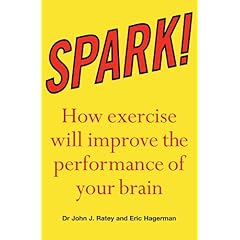
Spark on exercise


A couple of weeks ago I mentioned this book which had been mentioned by Frank Forencich.

The book came to me from Amazon a week or so ago and I've been skimming it before reading through properly. It is about the way in which exercise improves your mental performance, memory and psychological well-being.

The focus is on aerobic exercise - because that is where the research is - but he does mention benefits from resistance training.

Anyway, what I found interesting was Ratey's prescription for exercise, which is pretty similar to Art Devany's position or indeed to the routine that Nassim Taleb wrote about.

This is what Ratey says in his chapter "The Regimen":

Today, of course, there's no need to forage and hunt to survive. Yet our genes are coded for this activity, and our brains are meant to direct it. Take that activity away, and you're disrupting a delicate biological balance that has been fine-tuned over half a million years......The ancient rhythms of activity ingrained in our DNA translate roughly to the varied intensities of walking jogging, running and sprinting. In broad strokes then I think the best advice is to follow our ancestors' routine:
  • walk (or jog) everyday;
  • run a couple of times a week; and
  • then go for the kill every now and then by sprinting.

That is a pretty good pattern, similar also to Mark Sisson's blueprint with respect to exercise:

  • Move around a lot at a slow pace
  • Lift heavy things
  • Run really fast every once in a while.

Intermittent Fasting Success

Hat tip to Rachel's IF blog

This is a guy who has lost 56lb over a year by using Eat Stop Eat style intermittent fasting - i.e., 2 24 hour fasts a week, with all else staying the same....no dieting.

So many of the IF blogs and testimonies feature spectacular athletes, so it is interesting to see a normal fella losing significant weight.
Incidentally I could tell just by looking at this guy that he was from the north of England. Sure enough, when you listen to his You Tube videos he is from Yorkshire.

Brad Pillon's Eat Stop Eat is a sound approach

Anyway, the guy is Dave Ward and his blog is here.

Saturday, January 16, 2010

She really is strong

I featured Crystal West last week. Here is another one from her

My name is Crystal West and I am 44 years old. In this video I do one pull-up with 75 pounds added on.

Mental imagery and performance

Now this is absolutely fascinating. You can improve at a skill through mental visualisation - that has been shown before, but here is a new study. Mental imagery training can make you more flexible.

mental imagery training resulted in selective increased flexibility, independently of stretching ....

Psychological and physiological effects of motor imagery could explain the increase in range of motion, suggesting that imagery enhances joint flexibility during both active and passive stretching.

The mind is so important to the body! We are back to Z again maybe.

Does motor imagery enhance stretching and flexibility?

Although several studies have demonstrated that motor imagery can enhance learning processes and improve motor performance, little is known about its effect on stretching and flexibility. The increased active and passive range of motion reported in preliminary research has not been shown to be elicited by motor imagery training alone. We thus compared flexibility scores in 21 synchronized swimmers before and after a 5-week mental practice programme that included five stretching exercises in active and passive conditions. The imagery training programme resulted in selective increased flexibility, independently of the stretching method. Overall, the improvement in flexibility was greater in the imagery group than in the control group for the front split (F(1,18) = 4.9, P = 0.04), the hamstrings (F(1,18) = 5.2, P = 0.035), and the ankle stretching exercises (F(1,18) = 5.6, P = 0.03). There was no difference in shoulders and side-split flexibility (F(1,18) = 0.1, P = 0.73 and F(1,18) = 3.3, P = 0.08 respectively). Finally, there was no correlation between individual imagery ability and improvement in flexibility. Psychological and physiological effects of motor imagery could explain the increase in range of motion, suggesting that imagery enhances joint flexibility during both active and passive stretching.

When dieting doesn't work

Ok I know this is monkeys, but it is still interesting (but not really new)

Put monkeys on a diet and they do not lose weight because their activity levels fall to balance the reduction in food calories in. The body defends against weight loss from a diet by doing less.

Eat less and you will do less? The other side of this is the position Taubes takes - do more and you end up eating more anyway. (Especially with a calorie bomb recovery shake!)


Also note that it was a low fat diet - I wonder what the macros were for it? Often you find lab chow to be real junk - lots and lots of sugar and PUFA.

This is actually a rather depressing study the implication being that if you want to lose weight then you must:

  • run on a treadmill for 1 hr/day, 5 days/week at 80% maximal capacity

Honestly it does't have to be that hard. (Remember Martin) There is a more natural way!


A Rapidly Occurring Compensatory Decrease in Physical Activity Counteracts Diet-Induced Weight Loss in Female Monkeys.
To study changes in energy balance occurring during the initial phases of dieting, eighteen adult female monkeys were placed on a low-fat diet with a 30% decrease in calories for one month. Surprisingly, there was not significant weight loss, however daily activity level (measured by accelerometry) decreased soon after diet initiation and reached statistical significance by the fourth week of dieting (18+/-5.6% decrease, p=0.02). During a second month of dieting, caloric intake was further reduced to 60% of baseline consumption, leading to 6.4+/-1.7% weight loss, and further suppression of activity. Metabolic rate decreased by 68+/-12 kcal/day; with decreased activity accounting for 41+/-9 kcal/day, and the metabolic activity of the weight lost accounting for 21+/-5 kcal/day. A second group of 3 monkeys was trained to run on a treadmill for 1 hr/day, 5 days/week at 80% maximal capacity, leading to increased calorie expenditure of 69.6+/-10.7 kcal/day (equivalent to 49 kcal/day for 7 days). We conclude that a diet-induced decrease in physical activity is the primary mechanism the body uses to defend against diet-induced weight loss, and undertaking a commonly prescribed exercise program for people seeking to improve fitness is sufficient to prevent the compensatory decrease in physical activity-associated energy expenditure that slows diet-induced weight loss.

Read more on these ideas at the Science of Sport blog here

Friday, January 15, 2010

Diet - the simpler the better

An interesting study here,


Sticking to Diets Is About More Than Willpower -- Complexity Matters
Many people think the success of dieting, seemingly a national obsession following the excesses and resolutions of the holiday season, depends mostly on how hard one tries -- on willpower and dedication. While this does matter, new research has found that a much more subtle aspect of the diets themselves can also have a big influence on the pounds shed -- namely, the perceived complexity of a diet plan's rules and requirements.

Regardles of the hormonal effects, it is easier to stick to simple diets, with simple rules.

How about "Eat Real Food" or "Eat food, as much as you like, mostly animals", or "Meat Leaves and Berries".

Here is the abstract:

When weight management lasts: Lower perceived rule complexity increases adherence

Maintaining behavior change is one of the major challenges in weight management and long-term weight loss. We investigated the impact of the cognitive complexity of eating rules on adherence to weight management programs. We studied whether popular weight management programs can fail if participants find the rules too complicated from a cognitive perspective, meaning that individuals are not able to recall or process all required information for deciding what to eat. The impact on program adherence of participants’ perceptions of eating rule complexity and other behavioral factors known to influence adherence (including previous weight management, self-efficacy, and planning) was assessed via a longitudinal online questionnaire given to 390 participants on two different popular weight management regimens. As we show, the regimens, Weight Watchers and a popular German recipe diet (Brigitte), strongly differ in objective rule complexity and thus their cognitive demands on the dieter. Perceived rule complexity was the strongest factor associated with increased risk of quitting the cognitively demanding weight management program (Weight Watchers); it was not related to adherence length for the low cognitive demand program (Brigitte). Higher self-efficacy generally helped in maintaining a program. The results emphasize the importance of considering rule complexity to promote long-term weight management.

Don't spend hours on the treadmill

Here is an extract from a great post from Martin Berkhan

* Never attempt to train yourself into a calorie deficit. Don't spend hours on the treadmill. Diet comes first, cardio second. The dumbest fat loss strategy ever devised is used by people that go up early in the morning to do cardio and follow that up with "recovery shake". Congratulations, you just wasted two hours of your life. Next time, skip the shake and the cardio. Sleep two hours longer, but skip breakfast and fast until lunch time. You'll be much better off that way.

* Intermittent fasting is an easy way to create a calorie deficit; your "cardio" is to stay productive during the fast and work. If you don't have a job, work on projects that are important to you. Learn. Read books. Write. Don't sit around and brood about your diet or what you have in the fridge.
Check out Martin's blog, or to learn more about intermittent fasting I always recommend the research of Brad Pillon.

Thursday, January 14, 2010

Zen Habits...

I've been reading Zen Habits for a good while and have enjoyed Leo Babauta's book - the Power of Less.

I was therefore over the moon to find myself mentioned on the blog as a good fitness site, recommended by Mark Sisson, Rusty Moore and Mike O’Donnell. Thanks guys!

Zen Habits is a popular blog and this was the impact on my stats of getting mentioned there:


I think this is a fairly modest blog in which I just record bit and pieces that I find interesting or motivating and it is very gratifying to see that it is so well appreciated. Thanks for the support.

Dehydration and resistance training

So if you are dehydrated - 3% body mass loss - there will be:

  • impaired resistance exercise performance,
  • decreased repetitions,
  • increased perceived exertion, and
  • hindered HR recovery.
Makes water into a performance enhancer!


Impact of dehydration on a full body resistance exercise protocol

This study examined effects of dehydration on a full body resistance exercise workout. Ten males completed two trials: heat exposed (with 100% fluid replacement) (HE) and dehydration (~3% body mass loss with no fluid replacement) (DEHY) achieved via hot water bath (~39°C). Following HE and DEHY, participants performed three sets to failure (using predetermined 12 repetition maximum) of bench press, lat pull down, overhead press, barbell curl, triceps press, and leg press with a 2-min recovery between each set and 2 min between exercises. A paired t test showed total repetitions (all sets combined) were significantly lower for DEHY: (144.1 ± 26.6 repetitions) versus HE: (169.4 ± 29.1 repetitions). ANOVAs showed significantly lower repetitions (~1–2 repetitions on average) per exercise for DEHY versus HE (all exercises). Pre-set rate of perceived exertion (RPE) and pre-set heart rate (HR) were significantly higher [~0.6–1.1 units on average in triceps press, leg press, and approached significance in lat pull down (P = 0.14) and ~6–13 b min−1 on average in bench press, lat pull down, triceps press, and approached significance for overhead press (P = 0.10)] in DEHY versus HE. Session RPE difference approached significance (DEHY: 8.6 ± 1.9, HE: 7.4 ± 2.3) (P = 0.12). Recovery HR was significantly higher for DEHY (116 ± 15 b min−1) versus HE (105 ± 13 b min−1). Dehydration (~3%) impaired resistance exercise performance, decreased repetitions, increased perceived exertion, and hindered HR recovery.

Results highlight the importance of adequate hydration during full body resistance exercise sessions.


Of course this doesn't mean you need to go mad with water. I've posted before that the 8 glasses a day thing is a myth - there is lots of water in food which people forget about. The guide is to drink enough not to be thirsty - which sounds sensible!

More on Sleep - circadian rhythms


I occasionally have stuff here on sleep. Sufficient sleep in the dark is a "good thing".

I also occasionally point to stuff from the blog Open Water Chicago where they take something of a paleo approach to diet and training....anyway these two come together today:

Open Water Chicago has a sister blog: Neuroscene


Body Clocks: The Consequences of Disrupting Our Circadian Rhythms

We’ve all heard about our “sleep clocks.” But were you aware that we have numerous such clocks all over our bodies – and that disruption of these clocks can have serious health and emotional consequences?

In this podcast, we speak with Dr. Ilia Karatsoreos of Rockefeller University who recently conducted a study on how the disruption of circadian rhythms can adversely affect our metabolism as well as our higher level cognitive functioning. Be sure to listen in as we discuss the science of body clocks and how important is to keep them “in sync.”

Wednesday, January 13, 2010

Be barefoot


I've often pointed to stuff in the past about the benefits of being barefoot (although I never write as well as mc on this or any topic)

Here is an extract of a good piece from the co-author of the Paleo Diet for Athlete's, Joe Friel:

I wish it was so easy as to say that we should all just run barefoot. Had we grown up like Kenyan kids - barefoot and running to school every day - we wouldn't need heavy-duty shoes at all. Our feet and legs would be strong and our technique would be excellent. Unfortunately, that simply isn't the case. We grow up wearing shoes as soon as the parents can dress the baby. I'm afraid the feet of most of us are not well-conditioned. But we can do something about that.

I think it might help if you got out of your shoes during the day whenever you can. I'm not talking about running shoes here, but rather your 'street' shoes. Taking them off around the house is a minimal but first step in strengthening your feet. Athletes who do this can progress to doing what I call 'barefoot strides' a couple of times a week. I start them off with doing 5-6 x 20 second sprints on a clean, grassy surface (with walk-back recoveries). If not ready for barefoot running try using a lightweight racing flat, Nike Frees, beach water shoes or Vibrams. The idea is to gradually do more walking and running with little or no footwear.